


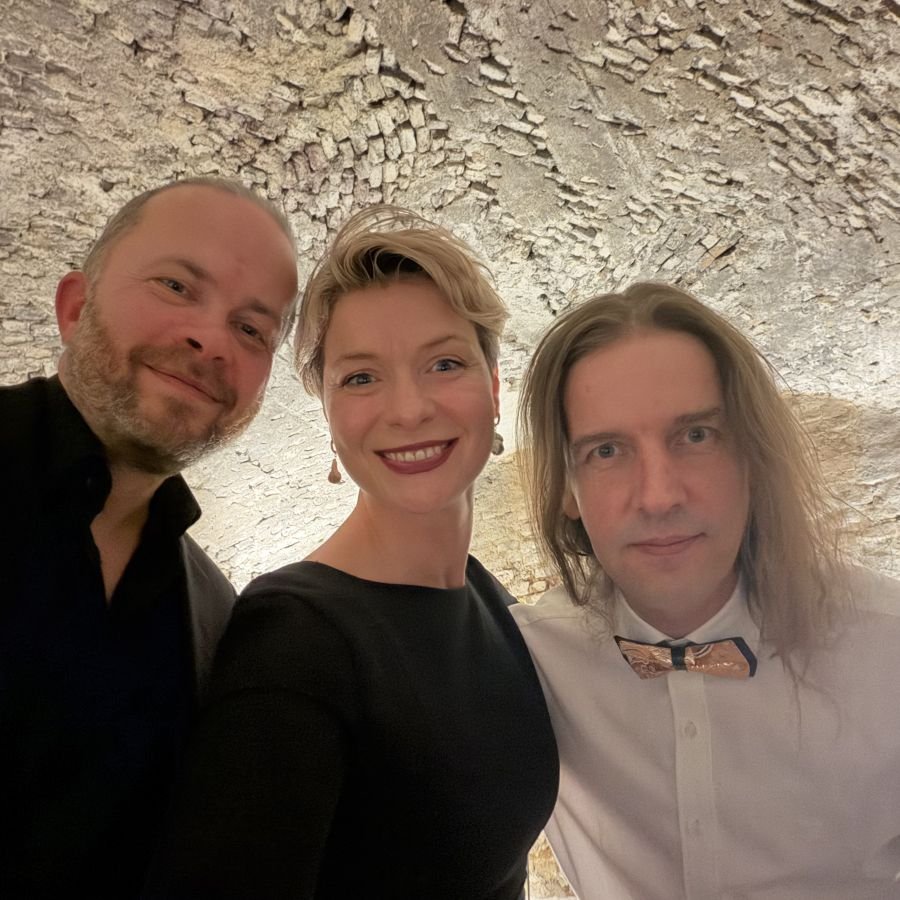

Chamber music programme with poetry
LOVE SONNETS
“Last night we were enchanted by the wonderful music, poetry and the performers’ spirituality.”
Jurgita Gazarian
Programme
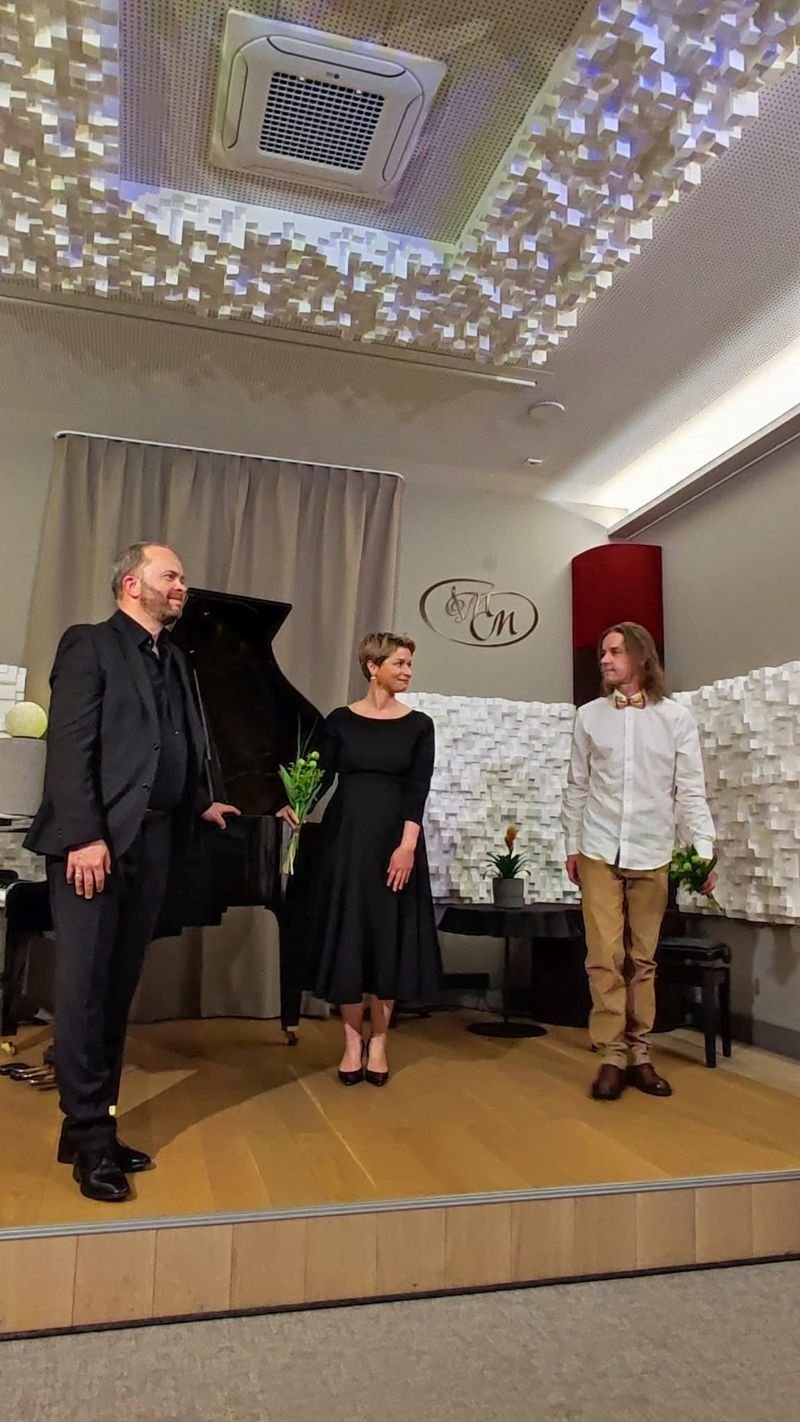
“Love Sonnets” is a poetic chamber music programme that brings together music, poetry and theatrical expression into a unified and emotionally compelling narrative about love, time and the inner world of the human being. At the heart of the programme lies the sonnet — one of the oldest and most refined forms of European literature, capable of containing entire emotional universes within fourteen lines.
The concert programme brings together creators from different epochs and artistic languages. The Romantic composer Franz Liszt is represented through his Tre Sonetti del Petrarca (“Petrarch Sonnets”) in both piano solo and voice-and-piano versions, while Benjamin Britten’s cycle Seven Sonnets of Michelangelo reveals a sensitive dialogue between music and poetry.
Between the movements of Britten’s cycle, selected poems by Michelangelo Buonarroti are performed live in Lithuanian — sonnets translated from Italian language by Lithuanian poet Violeta Šoblinskaitė Aleksa. These translations were first published in the Lithuanian cultural magazine Nemunas No. 18 (954), 2015. Michelangelo’s texts reveal not only love lyricism, but also a philosophical reflection on creativity, ageing, human fragility and spiritual longing.
The programme also features live readings of selected sonnets by William Shakespeare, adding theatrical breath and an additional emotional dimension to the evening. This multilayered event programme invites the listener not merely to a concert, but to an experience in which music, word and the inner human world merge into one.
Suitable for a variety of venues — from concert halls and festivals to chamber cultural events — and may be adapted to required formats and contexts.
More about the programme
MUSIC
Franz Liszt (1811–1886) composed Tre Sonetti del Petrarca (“Petrarch Sonnets”) originally for voice and piano around 1838–1839 during his travels in Italy. Later, Liszt reworked them into the now more frequently performed piano solo versions included in Années de pèlerinage. Deuxième année: Italie (“Years of Pilgrimage. Second Year: Italy”), published in 1858.
All three songs are based on sonnets or canzoni by the Italian Renaissance poet Francesco Petrarca (1304–1374). They are meditations on love, specifically on the poet’s passionate love for Laura de Noves. Both – the song and solo versions exist in two entirely different versions composed by Liszt himself.
Benjamin Britten (1913–1976) composed Seven Sonnets of Michelangelo, Op. 22, in 1940 during his period in the United States. The manuscripts are dated 1940, while the premiere took place in 1942 at Wigmore Hall.
It was the first fully realised song cycle Britten wrote for and dedicated to his partner, the tenor Peter Pears. The cycle is a passionate and deeply romantic musical interpretation of Michelangelo’s poems in their original Italian language. Throughout the cycle, both music and text portray a wide spectrum of emotions directed toward the beloved — at times passionate, sorrowful, fiery and tender.
POETRY
Michelangelo Buonarroti (1475–1564) wrote sonnets that remain a lesser-known yet highly significant part of the Renaissance master’s legacy. Alongside sculpture, painting and architecture, Michelangelo devoted himself to poetry throughout his life; today, more than 300 sonnets and madrigals are known. While the earliest poems date from the beginning of the 16th century, most were written in his mature years and intertwine themes of love, beauty, faith, creativity and human fragility.
In the 154 sonnets published in 1609, William Shakespeare (1564–1616) explores love, desire, beauty, time and mortality. Through inventive rhythms and striking turns of thought, Shakespeare reshaped the English sonnet, creating poems that are at once intimately fragile and timeless. For centuries they have inspired poets and readers alike, remaining a living testament to the power of language to express emotion, imagination and the fleeting beauty of life.
About the performers
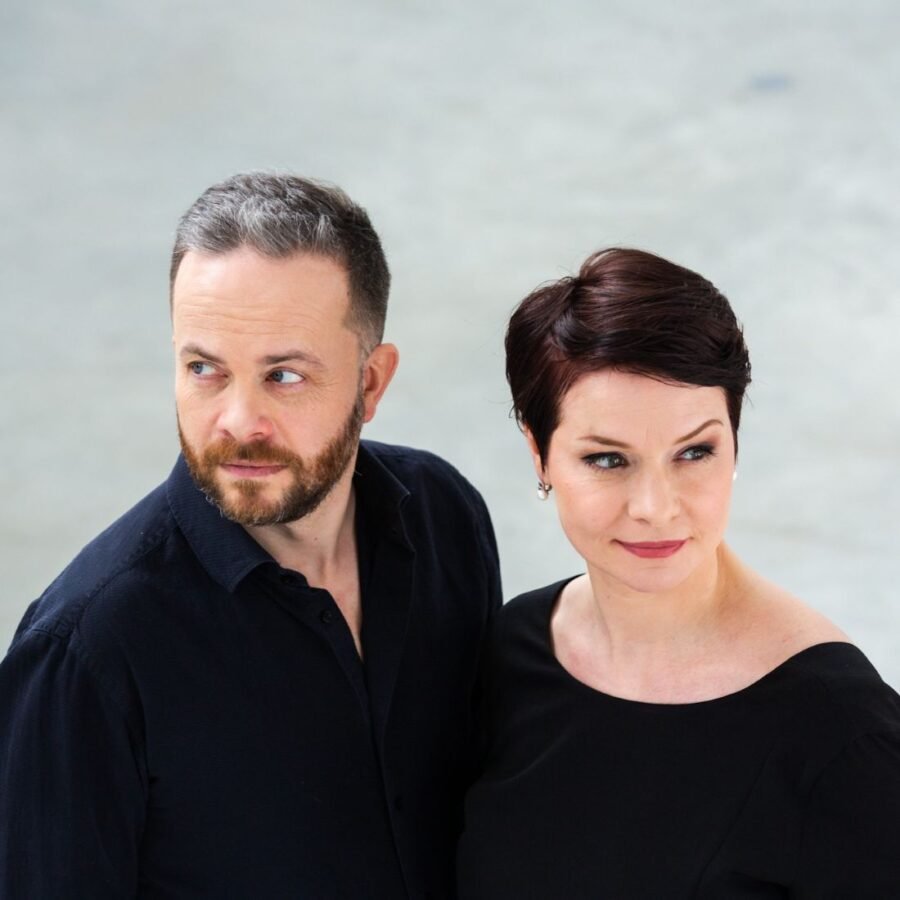
Stein Skjervold and Eglė Andrejevaitė
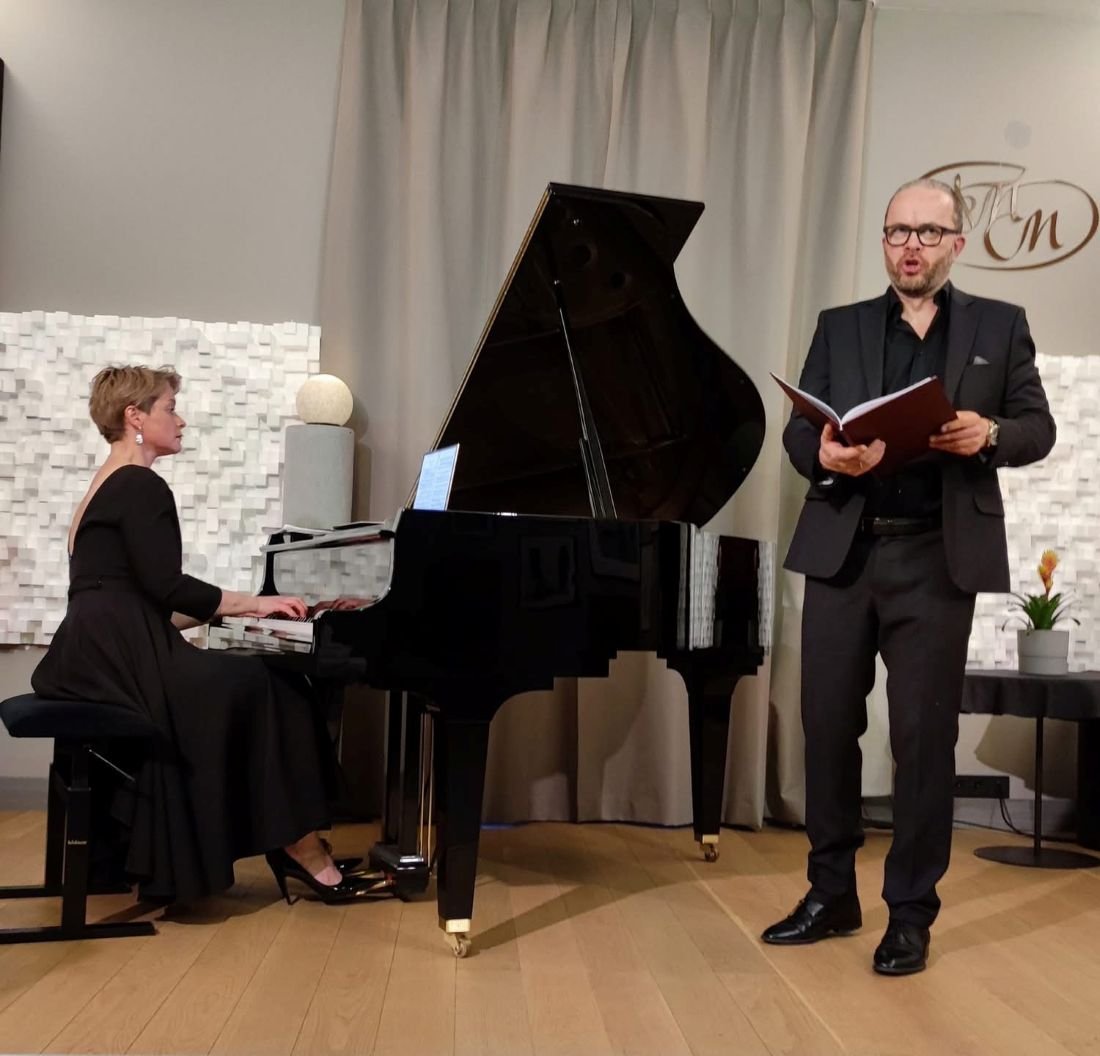
The programme is presented by internationally experienced artists — the Norway-born baritone Stein Skjervold, currently based in Lithuania, and pianist Eglė Andrejevaitė. Since 2012, the duo has been creating conceptual concert programmes premiered at festivals such as N-Žemė (2024) and the contemporary music festival Iš Arti (2015). Their programme Childhood Memories, exploring children’s music through the “eyes” of such composers as Jonas Jurkūnas, Robert Schumann, Anatolijus Šenderovas and Modest Mussorgsky, was presented at the Lithuanian National Philharmonic Society in 2022. Literature, vocal and instrumental music frequently intertwine in the duo’s artistic projects.
About the performers
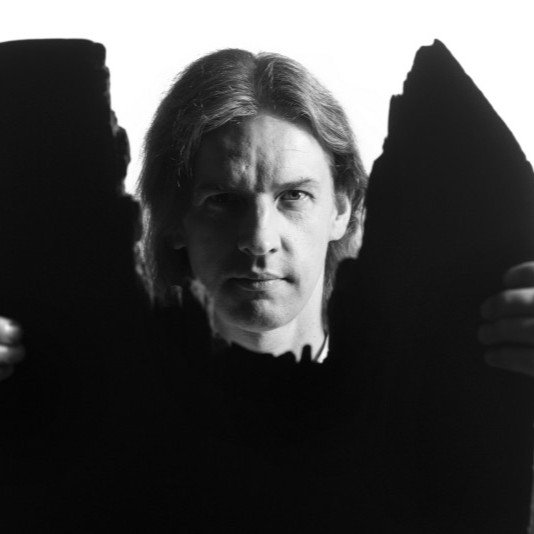
Ignas Ciplijauskas
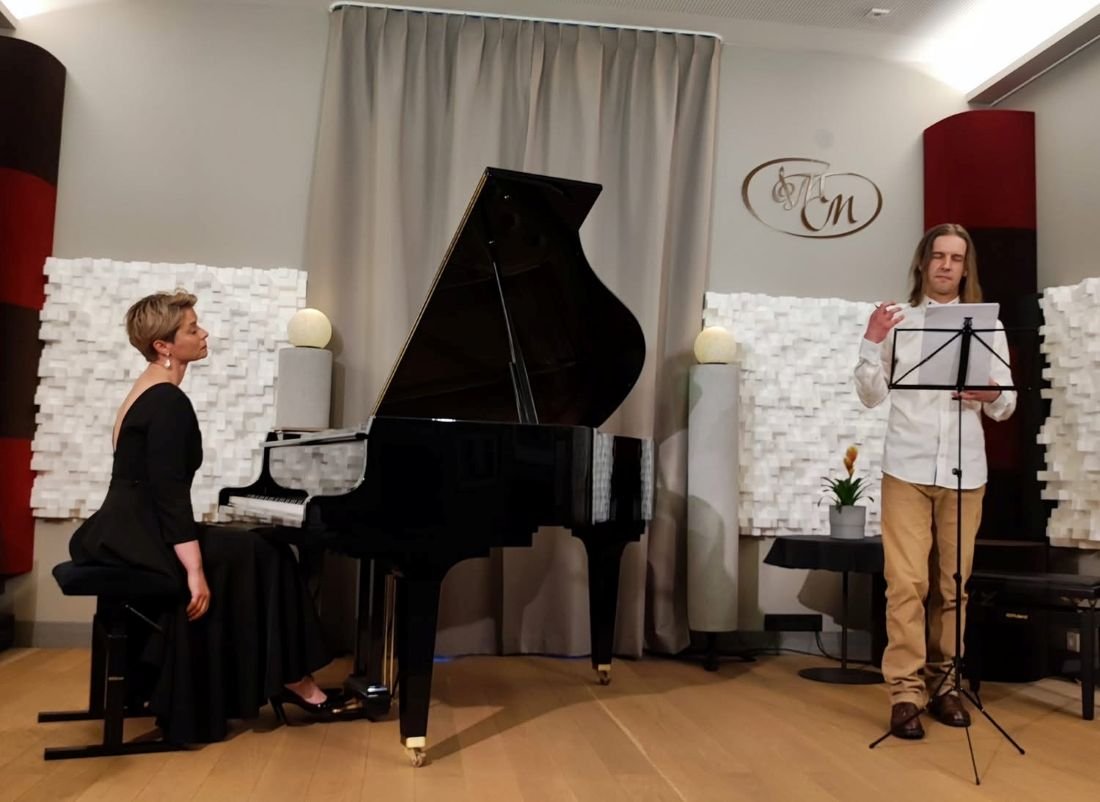
Actor of Lithuanian Youth Theatre (Jaunimo teatras) Ignas Ciplijauskas has been performing in classical and contemporary theatre productions since 2004. He has collaborated with prominent European and Lithuanian directors, among them Krystian Lupa, Árpád Schilling, Sergei Loznitsa, Algirdas Latėnas, Gintaras Varnas, Jonas Vaitkus and Ignas Jonynas.
Alongside his theatre work, he actively participates in literary reading projects, interpreting poetry by William Shakespeare, Joseph Brodsky and Wystan Hugh Auden. Among Lithuanian authors, he pays particular attention to the poetry of Antanas Kalanavičius. His poetry readings are regularly featured on Lithuanian National Radio and Television programme LRT Klasika (LRT Classics). In the poetic programme of “Love Sonnets”, the actor performs sonnets by Michelangelo Buonarroti and William Shakespeare, giving them a vivid and contemporary dramatic voice.